

This page is a machine translation from Estonian, made with Claude (Anthropic AI). The working language of this site is Estonian; if the texts differ, the Estonian original applies. Eesti keeles
Information technologyTimeline from the first data carrier to artificial intelligence
This is a timeline of information technology from the first data carrier (tally marks, c. 40,000 BC) to today’s language model (2026). Information technology is understood here in Tiit Lepik’s way: the movement of information in an organisation — collecting, classifying, prioritising, processing, distributing — not just machines. The timeline is divided into eight phases; in each phase the entries are in chronological order, and every entry has a picture, a year, a place, an event and public sources. Three technologies are marked separately (the computer, the computer network, artificial intelligence), as is the connection with the compiler’s home region, plus four marks: yellow block — first in the world, green — first on this continent, blue — first in the compiler’s home region, orange pair — the beginning and end of a long process. This also shows how long it took an invention to get from one continent to another. The timeline is a tool: the document “Mis on infotehnoloogia? Termini käsitlused läbi aegade” (What is information technology? Approaches to the term through the ages) was written on its basis, and the article “AI allergiast” (On AI allergy) is in preparation.
Contact
Tiit Lepik
Information technologist
Language: Estonian. I use machine translation for other languages.


tiit.lepik.71@gmail.com
https://lepik.co
Tehase tn 1, 74604 Kiiu, Kuusalu Parish, Harju County, Estonia
Google Maps: https://maps.app.goo.gl/8LxfQmDbNWSsSb476
By bus: stop “Kuusalu kool” (https://peatus.ee/), then about 1 km along the cycle and footpath.
Tickets: from the driver in cash or with the Ühiskaart card – https://pilet.ee/et/card-info.
Invoices: Ordinatim OÜ, registry code 14805167, Tehase tn 1, 74604 Kiiu, Estonia (not VAT registered)
Four patterns
To me, the compiler, this timeline leaves the following impression: every new data carrier — writing, the printing press, the computer, the network, the language model — repeats the same four patterns. These four are the key to reading it; next to the entries they are marked by the labels Flood, Super-profit, Loss of trace and Role reversal.
- Flood 🗂️ — Invention → the price falls → information floods → a new classifier. The classifier emerges as people’s habits of use form, through feedback and consumer pressure on producers.
- Super-profit 💰 — At first a new invention creates the chance of a super-profit for a short time. It ends quickly when people learn to use the tool, get used to it and it becomes an ordinary part of life. Later an ordinary relationship arises in which everyone gets paid — the producer gets its bills paid, the user benefits from the tool. That first period of super-profit is also when the talk of “now the end of the world has come” belongs.
- Loss of trace 🔗 — The source trace disappears at the beginning of every leap — and it is precisely the disappearance of the source trace that gives rise to end-of-the-world talk. The trace is restored by an institution: scriptorium → editor → register → URL → connector.
- Role reversal 👤 — At the beginning of every leap the roles are reversed — the one who knows “how it works” is younger, or a machine. In Estonia the roots have been cut: the older generation cannot pass its experience on to children and young people, the new technology paralyses their sober judgement, they seem stupid to themselves and do not even try to pass on their values.
Wording of the patterns: Tiit Lepik, 20.09.2026.
How to read
Each entry: on the left the year, then a thumbnail (clicking it opens the Wikipedia article the picture comes from), then the marks, the place by today’s country (in brackets the state or area of the time), the event ⟶ what it changed for the information flow, and public sources. “c.” = circa. All links are public.
Three technologies to follow separately
- 🖥️ computer — the electronic computer — from Babbage’s idea to the personal computer
- 🌐 computer network — from the telegraph to ARPANET, the internet and the web
- 🤖 artificial intelligence — from the artificial neuron in 1943 to language models
Connection with the compiler’s home region
- 🇪🇪 Estonia — an event in Estonia or directly connected with Estonia
- ☭ Soviet Union — Estonia was part of the USSR (1940/44–1991): a USSR row is also an Estonian row
- 🇪🇺 European Union — Estonia is a member of the EU (2004–): EU rules are also Estonian rules
Marks of firsts and processes
- ⭐ FIRST IN THE WORLD — the event was the first of its kind in the whole world
- 🟢 FIRST ON THE CONTINENT — it already existed elsewhere in the world — here it reaches this continent for the first time
- 🔵 FIRST IN THE COMPILER’S HOME REGION — the first time on the same patch of land where the compiler lives; the flag says under whose rule the place was at the time
- ▶ START OF PROCESS · name and ■ END OF PROCESS · name — a long story that has two ends on the timeline; both rows carry the same name
- Every row always also carries a place reference (continent · flag and country) — the star goes in front of it, not instead of it
- [Flood] [Super-profit] [Loss of trace] [Role reversal] — the entry shows one of the four patterns
- (according to Tiit Lepik) — the entry is based on Tiit Lepik’s own material, memory or research
Icons
- ✍️ carrier — writing, print, photograph, film, screen — on which information travels
- 🗂️ classifier and information flow — classification, priorities, forms, registers, cards
- ⚙️ machine — a calculating and processing machine before electronics
- 💰 money and price — the price of a copy, profit, the market
- 🔗 source trace — whether it is known where the information came from
- 👤 human–machine link — the place where the machine stops and a human decides
Phase colours (the phase title and the line of the entries are in this colour)
- Prehistory before writing — counting and the sign (c. 40,000 – 3200 BC)
- I Writing and the manuscript (c. 3200 BC – 1450)
- II The printing press (1450 – 1850)
- III The office, systematic management, the punched card (1850 – 1950)
- IV The computing centre and MIS (1950 – 1980)
- V The personal computer (1980 – 1995)
- VI The network, software, platforms (1995 – 2020)
- VII Language models and agents (2020 –)
Prehistory before writing — counting and the signc. 40,000 – 3200 BC
Before: information lives only in human memory and speech; it is passed on by word of mouth. In this stage: the first carriers outside memory — notches, tokens, seals — for counting and classifying goods. Leading to: writing, which is born from stock-keeping.
-
c. 40,000 / 20,000 BC
 ⭐ FIRST IN THE WORLD · the first data carrier
⚙️ Africa · 🇸🇿 Eswatini / 🇿🇦 South Africa (Lebombo); 🇨🇩 DR Congo (Ishango)
The Lebombo and Ishango bones: counting with notches ⟶ the first data carrier that is not human memory.
Sources: Royal Belgian Institute of Natural Sciences: the Ishango bone · Wikipedia
-
c. 8000–3200 BC
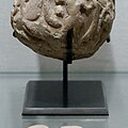 ⭐ FIRST IN THE WORLD · the first accounting system
🗂️ Asia · 🇮🇶 Iraq, 🇮🇷 Iran, 🇸🇾 Syria (Middle East)
Clay tokens (Schmandt-Besserat) and bullae ⟶ counting goods and a classifier before writing: the shape of the token = the kind of goods. Thesis 1: the classifier is older than writing. Flood
Sources: Schmandt-Besserat, „Tokens: their significance…“ (UT Austin) · Wikipedia
-
c. 3500 BC
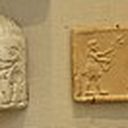 ⭐ FIRST IN THE WORLD · the first source mark
🗂️ Asia · 🇮🇶 Iraq (Mesopotamia)
Cylinder seal ⟶ the owner’s and source’s mark on goods: the oldest tool of the source trace. Flood
Sources: Britannica: cylinder seal · Wikipedia
I Writing and the manuscriptc. 3200 BC – 1450
From: signs for counting and classifying. In this stage: writing, the alphabet, the codex, paper and the scriptorium; information is expensive, copies are few, the source (scribe, place) is always known; the first catalogues and indexes. Leading to: the printing press, which changes the price of a copy.
-
c. 3200 BC
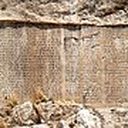 ⭐ FIRST IN THE WORLD · the first writing
✍️🗂️ Asia · 🇮🇶 Iraq (Sumer, Uruk)
Cuneiform: the first texts are stock accounts (barley, sheep, workers) ⟶ writing is born from bookkeeping, not literature. Flood
Sources: Britannica: cuneiform · Wikipedia
-
c. 3000 BC
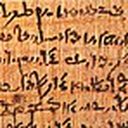 🟢 FIRST ON THE CONTINENT · the first writing in Africa
✍️ Africa · 🇪🇬 Egypt
Hieroglyphs; papyrus ⟶ a light carrier, information that travels far.
Sources: Britannica: papyrus · Wikipedia
-
c. 2300 BC
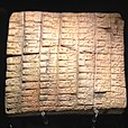 ⭐ FIRST IN THE WORLD · the first archive
🗂️ Asia · 🇸🇾 Syria (Ebla)
The Ebla archive (c. 17,000 tablets) ⟶ the first known systematically kept state archive. Flood
Sources: Britannica: Ebla · Wikipedia
-
c. 2500 BC
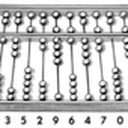 ⭐ FIRST IN THE WORLD · the first calculating aid
⚙️ Asia · 🇮🇶 Iraq (Sumer)
The Sumerian counting board or abacus ⟶ the first calculating aid: the tool counts, the human classifies.
Sources: Britannica: abacus · Wikipedia
-
c. 1050 BC
 ⭐ FIRST IN THE WORLD · the first alphabet
✍️ Asia · 🇱🇧 Lebanon (Phoenicia, Byblos)
The Phoenician alphabet ⟶ literacy becomes cheaper: about 22 signs, not hundreds.
Sources: Britannica: Phoenician alphabet · Wikipedia
-
c. 800 BC
 🟢 FIRST ON THE CONTINENT · the first alphabet in Europe
✍️ Europe · 🇬🇷 Greece
The Greek alphabet, based on the Phoenician one, with vowels added ⟶ the alphabet reaches Europe and becomes more precise: writing can be read even by someone who does not know the text in advance.
Sources: Britannica: Greek alphabet · Wikipedia
-
c. 370 BC
 ⭐ FIRST IN THE WORLD · the first criticism of technology
🔗 Europe · 🇬🇷 Greece (Athens)
Plato, “Phaedrus” 274c–275b: Socrates against writing — writing “brings forgetfulness” ⟶ the oldest documented form of “AI allergy”. Loss of trace
Sources: Perseus: Phaedrus 274c · Wikipedia
-
c. 300–250 BC
 ⭐ FIRST IN THE WORLD · the first catalogue and classification
🗂️ Africa · 🇪🇬 Egypt (Alexandria, Ptolemaic Kingdom)
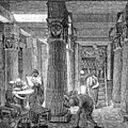
The Library of Alexandria; Callimachus’s “Pinakes” ⟶ the first catalogue: a classifier leap after the flood of papyrus scrolls (thesis 1). Flood
Sources: Britannica: Library of Alexandria · Wikipedia
-
c. 300 BC – AD 100
 🟢 FIRST ON THE CONTINENT · the first calculating aid in Europe
⚙️ Europe · 🇬🇷 Greece; 🇮🇹 Italy (Roman state)
The Greek and Roman counting board (abacus, calculi) ⟶ the calculating aid reaches Europe from the Middle East: the Roman pocket abacus is the first portable calculating device here.
Sources: Britannica: abacus · Wikipedia
-
c. 100 BC – AD 400
✍️ Europe · 🇮🇹 Italy (Roman state)
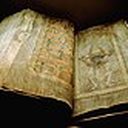
The codex (a book with leaves) replaces the scroll ⟶ random access to a page: the precondition for the index and the page number.
Sources: Britannica: codex · Wikipedia
-
105
 ⭐ FIRST IN THE WORLD · the first cheap carrier
✍️ Asia · 🇨🇳 China
Paper in China (Cai Lun) ⟶ the price of the carrier falls: writing is no longer only for the wealthy and the temples.
Sources: Britannica: papermaking · Wikipedia
-
751 / c. 1150
 🟢 FIRST ON THE CONTINENT · the first cheap carrier in Europe
✍️ Asia · 🇺🇿 Uzbekistan (Samarkand); Europe · 🇪🇸 Spain (Xàtiva)
Paper moves west via Samarkand; the first paper mills in Europe ⟶ a cheap carrier reaches Europe. It took paper more than a thousand years to get from China to Europe — only here does the economy of the printing press become possible.
Sources: Britannica: papermaking · Wikipedia
-
c. 500–1450
 ▶ START OF PROCESS · The monopoly of the manuscript
✍️💰 Europe · monasteries (🇮🇹 🇫🇷 🇩🇪 🇮🇪 and others)
The scriptorium: the price of a manuscript = months of work + parchment ⟶ the book belongs to the rich and the monasteries; the source is always known (scribe, place). Super-profit
Sources: Britannica: scriptorium · Wikipedia
-
868
 ⭐ FIRST IN THE WORLD · the oldest dated printed work
⚙️ Asia · 🇨🇳 China (Dunhuang, Tang dynasty)
The Diamond Sutra — the oldest dated printed book (block printing) ⟶ printing in Asia is about 600 years older than in Europe.
Sources: British Library: Diamond Sutra · Wikipedia
-
c. 1040 / 1377
 ⭐ FIRST IN THE WORLD · the first movable type
⚙️ Asia · 🇨🇳 China (Song dynasty); 🇰🇷 South Korea (Cheongju, Goryeo)
Bi Sheng, movable clay type; the Korean “Jikji” with metal type ⟶ movable type before Gutenberg.
Sources: BnF: Jikji · UNESCO Memory of the World: Jikji · Wikipedia
-
1224–1227 / c. 1241
 🔵 FIRST IN THE COMPILER’S HOME REGION · the first written register in this land
🗂️ 🇪🇪 Europe · 🇪🇪 Estonia (Old Livonia; Danish Estonia 🇩🇰)
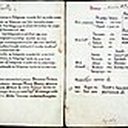
The Livonian Chronicle of Henry; the Danish Census Book (Liber Census Daniae) ⟶ the first information flow in the Estonian area: villages, ploughlands, taxes — a classifier on paper. Marek Tamm’s “Keskaja Liivimaa allikad” (2026) is their Estonian-language source edition. Flood
Sources: Wikipedia: Livonian Chronicle of Henry (in Estonian) · Wikipedia (in Estonian)
-
1230s
 ⭐ FIRST IN THE WORLD · the first search tool in a text
🗂️ Europe · 🇫🇷 France (Paris)
The first Bible concordances (Hugh of Saint-Cher) ⟶ text search before the machine: a word index. Flood
Sources: Britannica: Hugh of Saint-Cher · Wikipedia
II The printing press1450 – 1850
From: the hand-copied book. In this stage: mechanical reproduction, the newspaper and the editor, copyright and the patent, the first calculating machines and the telegraph; information floods, bibliographies and censorship are born. Leading to: the office, where the information flow itself gets tools.
-
c. 1450–1455
 🟢 FIRST ON THE CONTINENT · the first movable metal type in Europe ■ END OF PROCESS · The monopoly of the manuscript
✍️💰 Europe · 🇩🇪 Germany (Mainz, Holy Roman Empire)
Gutenberg: movable metal type, the press, the 42-line Bible ⟶ the price of a copy falls many times over; information floods. Super-profit
Sources: Britannica: Johannes Gutenberg · Wikipedia
-
1455
💰 Europe · 🇩🇪 Germany (Mainz)
The lawsuit Fust vs Gutenberg; printers keep the technology secret ⟶ the “Super-profit” pattern: a short period of super-profit before the skill spreads (an observation by Katri Smitt). Super-profit
Sources: Britannica: Johann Fust · Wikipedia
-
1450–1550

🔗 Europe · 🇮🇹 Italy, 🇩🇪 Germany (humanists)
The humanists “find” ancient texts; the line of sceptics (Illig, Heinsohn, Topper, Gabowitsch) asks about the source trace ⟶ the loss of the source trace gives birth to criticism of chronology. Loss of trace
Sources: Britannica: humanism · Wikipedia
-
1525 / 1535
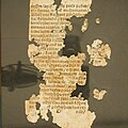 🔵 FIRST IN THE COMPILER’S HOME REGION · the first printed work in Estonian
✍️ 🇪🇪 Europe · 🇪🇪 Estonia (Tallinn, Livonian Order territory); printed in 🇩🇪 Germany (Lübeck, Wittenberg)
The first (lost) printed work in Estonian; the Wanradt–Koell catechism ⟶ the carrier leap reaches the Estonian language 80 years after Gutenberg.
Sources: DIGAR: Wanradt-Koelli katekismus 1535 · Wikipedia (in Estonian)
-
1545
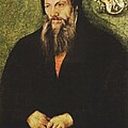 ⭐ FIRST IN THE WORLD · the first universal bibliography
🗂️ Europe · 🇨🇭 Switzerland (Zurich)
Conrad Gessner, “Bibliotheca universalis” ⟶ the first universal bibliography: a classifier leap after the printing press (thesis 1). Flood
Sources: Britannica: Conrad Gesner · Wikipedia
-
1559

🗂️ Europe · 🇻🇦 Vatican / 🇮🇹 Italy (Rome)
Index Librorum Prohibitorum ⟶ censorship as a negative classifier. Flood
Sources: Britannica: Index Librorum Prohibitorum · Wikipedia
-
1605 / 1665
 ⭐ FIRST IN THE WORLD · the first periodical ▶ START OF PROCESS · The monopoly of the paper press
✍️ Europe · 🇫🇷 France (Strasbourg, then in the Holy Roman Empire; Paris); 🇬🇧 United Kingdom (London)
The first newspaper (Carolus, “Relation”); the Journal des sçavans and the Philosophical Transactions ⟶ periodicals: the editor is born as a link.
Sources: Britannica: newspaper · Wikipedia
-
1614–1673
 ⭐ FIRST IN THE WORLD · the first calculating devices
⚙️ Europe · 🇬🇧 United Kingdom (Scotland); 🇫🇷 France; 🇩🇪 Germany
Napier’s logarithms; the slide rule; Pascal’s adding machine (1642); Leibniz’s calculator (1673) ⟶ the machine does arithmetic, the human decides what to calculate.
Sources: Britannica: Pascaline · Wikipedia
-
1710 / 1790
 ⭐ FIRST IN THE WORLD · the first copyright law
🗂️ Europe · 🇬🇧 United Kingdom; North America · 🇺🇸 USA
The Statute of Anne — the first copyright law; the US Patent Act of 1790 ⟶ the price and the owner of the source enter the law. Flood
Sources: Britannica: Statute of Anne · Wikipedia
-
1614 / 1767
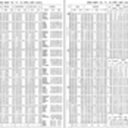 ⭐ FIRST IN THE WORLD · the first printed calculating table
🗂️⚙️ Europe · 🇬🇧 United Kingdom (Edinburgh; Greenwich)
Napier’s logarithm tables (1614); the “Nautical Almanac” (1767) — the seafarers’ enormously thick books of tables; multiplication and sine tables at school ⟶ a printed table = pre-calculated data: a book instead of a machine; errors in the tables are the reason for Babbage’s machine in 1822. Flood
Sources: Britannica: Nautical Almanac · Britannica: Nevil Maskelyne · Wikipedia
-
1739

✍️ 🇪🇪 Europe · 🇪🇪 Estonia (Tallinn, Russian Empire 🇷🇺)
The complete Bible in Estonian ⟶ the printed word reaches the peasantry; literacy.
Sources: DIGAR · Wikipedia (in Estonian)
-
1801
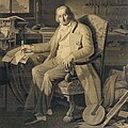 ⭐ FIRST IN THE WORLD · the first program carrier
⚙️ Europe · 🇫🇷 France (Lyon)
Jacquard’s looms with punched cards ⟶ the punched card as a program 90 years before Hollerith.
Sources: Britannica: Jacquard loom · Wikipedia
-
1822 / 1837 / 1843
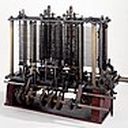 ⭐ FIRST IN THE WORLD · the first programmable machine
🖥️ ⚙️ Europe · 🇬🇧 United Kingdom (London)
Babbage’s Difference Engine and Analytical Engine; Ada Lovelace’s notes ⟶ the idea of the programmable machine.
Sources: Computer History Museum: Babbage Engine · Wikipedia
-
1837–1844 / 1866
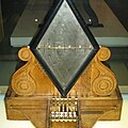 ⭐ FIRST IN THE WORLD · the first fast long-distance communication
🌐 ✍️ North America · 🇺🇸 USA; Europe · 🇬🇧 United Kingdom (Atlantic cable)
The Morse telegraph; the Atlantic cable ⟶ information travels faster than people: the first “real-time” information flow.
Sources: Britannica: telegraph · Wikipedia
-
1826 / 1839 / 1888
 ⭐ FIRST IN THE WORLD · the first photograph
✍️ Europe · 🇫🇷 France; North America · 🇺🇸 USA (Kodak)
Niépce’s first photograph; Daguerre’s daguerreotype; Kodak ⟶ the picture gets a carrier without a draughtsman: information is recorded with light.
Sources: Britannica: photography, history · Wikipedia
III The office, systematic management, the punched card1850 – 1950
From: the printed text and the letter. In this stage: the railway and the telegraph give birth to reporting — forms, the card index, the typewriter, classifiers (Dewey, UDC), the punched card and the tabulator, the process chart; information gets a unit of measurement; the electronic computer and the first model of artificial intelligence are born. This is the birth of Tiit’s information technology: the information flow in an organisation. Leading to: the computing centre.
-
1850–1880
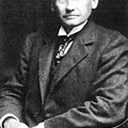
🗂️ North America · 🇺🇸 USA
Railways and the telegraph give birth to reporting: forms, letter-copy books, systematic management ⟶ Tiit’s information technology is born here: the information flow in an organisation. Flood
Sources: Yates 1989, Control through Communication · Wikipedia
-
1857 / 1886
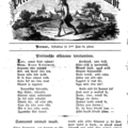 🔵 FIRST IN THE COMPILER’S HOME REGION · the first Estonian-language newspaper
✍️ 🇪🇪 Europe · 🇪🇪 Estonia (Pärnu, Tartu; Russian Empire 🇷🇺)
Perno Postimees (Jannsen); Postimees in Tartu ⟶ the beginning in Estonia of the era of “the paper wrote it = that is how it was” (Lauristin 2018).
Sources: DEA — digitised Estonian newspapers · ERR 2018: Lauristin on click media (in Estonian) · Wikipedia (in Estonian)
-
1868–1874 / 1900
 ⭐ FIRST IN THE WORLD · the first typewriter
⚙️ North America · 🇺🇸 USA (Milwaukee; New York)
Sholes & Glidden, Remington No. 1: the typewriter; Underwood No. 5 ⟶ a machine that does not understand what it writes — the symbolic image of the job.
Sources: Britannica: typewriter · Wikipedia
-
1876 / 1877
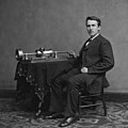 ⭐ FIRST IN THE WORLD · the first sound recording
✍️ North America · 🇺🇸 USA
Bell, the telephone; Edison’s phonograph ⟶ sound gets a carrier: the information flow is no longer only text and image.
Sources: Britannica: phonograph · Wikipedia
-
1876 / 1895
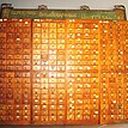 ⭐ FIRST IN THE WORLD · the first decimal classification
🗂️ North America · 🇺🇸 USA; Europe · 🇧🇪 Belgium (Brussels)
The Dewey Decimal Classification; Otlet & La Fontaine, the UDC and the Mundaneum ⟶ a universal classifier against the flood of books (thesis 1). Flood
Sources: CLIR: Hedden, Otlet ja Mundaneum · Mundaneum (Mons) · Wikipedia
-
1889–1890 / 1924
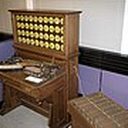 ⭐ FIRST IN THE WORLD · the first machine data processing
🖥️ ⚙️🗂️ North America · 🇺🇸 USA
Hollerith’s tabulator, the US census ⟶ punched card = record, sorter = classifier in a machine; 1896 Tabulating Machine Co → 1924 IBM. Flood
Sources: Heide 2009, Punched-Card Systems · US Census Bureau: Hollerith · Wikipedia
-
1893
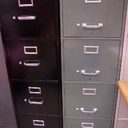
🗂️ North America · 🇺🇸 USA
The vertical file (Library Bureau) ⟶ the document gets a place that can be reordered. Flood
Sources: Yates 1989, Control through Communication · Wikipedia
-
1895
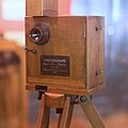 ⭐ FIRST IN THE WORLD · the first film
✍️ Europe · 🇫🇷 France (Lyon, Paris)
The Lumière brothers’ cinematograph ⟶ the moving image gets a carrier: the event is recorded, not just its description.
Sources: Britannica: Lumière brothers · Computer History Museum: Ampex VR-1000 · Wikipedia
-
1911 / 1921
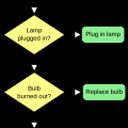 ⭐ FIRST IN THE WORLD · the first scientific management system
🗂️ North America · 🇺🇸 USA
Taylor, “Principles of Scientific Management”; the Gilbreths’ process chart for ASME ⟶ the workflow is drawn in blocks: the birth of the flowchart. Flood
Sources: Gutenberg.org: Taylor 1911 · Wikipedia
-
1917–1921
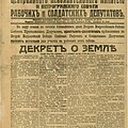
🔗 ☭ Europe · 🇷🇺 Russia (Soviet Russia ☭)
Lenin’s decrees as an information flow; the case of the Lahemaa 55 newsletter: decree 1921 → Kaasik from memory → ERR → archive 2026 ⟶ an example of a source chain in three steps. Loss of trace according to Tiit Lepik
Sources: Britannica: Vladimir Lenin · Wikipedia
-
1921 / 1928
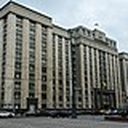 ▶ START OF PROCESS · The information flow of the planned economy
🗂️ ☭ Europe · 🇷🇺 Russia (USSR ☭)
Gosplan; the first five-year plan ⟶ USSR: the whole state as one information flow from the field to the centre. Flood
Sources: Britannica: Gosplan · Wikipedia
-
1922 / 1926
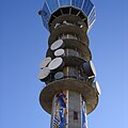 🟢 FIRST ON THE CONTINENT · the first public service broadcaster in Europe
✍️ 🇪🇪 Europe · 🇬🇧 United Kingdom; 🇪🇪 Estonia (Republic of Estonia)
The BBC; Raadio-Ringhääling in Estonia ⟶ mass media as an edited flow.
Sources: ERR: history of Estonian broadcasting (in Estonian) · Wikipedia
-
1936 / 1937
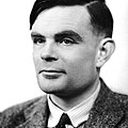 ⭐ FIRST IN THE WORLD · the first theory of computability
🖥️ ⚙️ Europe · 🇬🇧 United Kingdom; North America · 🇺🇸 USA
Turing, “On Computable Numbers”; the Lazarsfeld–Stanton “program analyzer” — measuring listener interest in real time ⟶ a forerunner of the click meter.
Sources: Britannica: Alan Turing · Wikipedia
-
1941 / 1943–1945
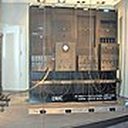 ⭐ FIRST IN THE WORLD · the first programmable computer
🖥️ ⚙️ Europe · 🇩🇪 Germany (Zuse); 🇬🇧 United Kingdom (Colossus, Bletchley Park)
Zuse Z3 — the first programmable computer; Colossus — the first electronic programmable machine ⟶ computing moves into electronics.
Sources: Computer History Museum: Timeline 1940s · Wikipedia
-
1943
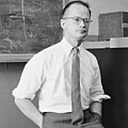 ⭐ FIRST IN THE WORLD · the first model of an artificial neuron
🤖 North America · 🇺🇸 USA (Chicago)
McCulloch and Pitts, “A Logical Calculus of the Ideas Immanent in Nervous Activity” ⟶ a logical model of the artificial neuron: the first work now regarded as the beginning of artificial intelligence — a machine built on the model of the brain.
Sources: McCulloch & Pitts 1943 (Springer) · Britannica: artificial intelligence · Wikipedia
-
1945–1946 / 1947
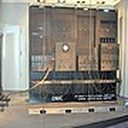 🟢 FIRST ON THE CONTINENT · the first electronic general-purpose computer in America
🖥️ ⚙️ North America · 🇺🇸 USA (University of Pennsylvania; ACM)
ENIAC — the first electronic general-purpose computer in America; in 1947 the ACM is founded ⟶ the computer gets a profession and a professional society: an occupation forms around the machine.
Sources: Computer History Museum: ENIAC · Wikipedia
-
1948
 ⭐ FIRST IN THE WORLD · the first information theory
🗂️ North America · 🇺🇸 USA
Shannon, “A Mathematical Theory of Communication”; Wiener, “Cybernetics” ⟶ information gets a unit of measurement (the bit) and a theory of control. Flood
Sources: Britannica: Claude Shannon · Wikipedia
-
1950
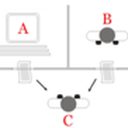
🤖 Europe · 🇬🇧 United Kingdom (Manchester)
Turing, “Computing Machinery and Intelligence” — the Turing test ⟶ the question “can a machine think?” takes the form of an experiment.
Sources: Turing 1950, Mind (Oxford Academic) · Wikipedia
IV The computing centre and MIS1950 – 1980
From: the punched card and the tabulator. In this stage: the computer goes into bookkeeping, the terms “artificial intelligence” (1956) and “information technology” (1958) are born, the MIS movement and the Soviet ASU/OGAS, the first computer network (ARPANET); data travels on paper from the field to the centre and back; the flowchart gets a standard; the human–machine link is a symbol of its own. Leading to: the machine becoming cheaper, which brings it to everyone’s desk.
-
1951
 ⭐ FIRST IN THE WORLD · the first business computer
🖥️ ⚙️ North America · 🇺🇸 USA; Europe · 🇬🇧 United Kingdom (LEO, Lyons)
UNIVAC I; LEO I — the first business computer ⟶ the computer goes into bookkeeping.
Sources: LEO Computers Society · Wikipedia
-
1956
 ⭐ FIRST IN THE WORLD · the first video recording
✍️ North America · 🇺🇸 USA (Ampex, Redwood City)
Ampex’s video tape recorder VRX-1000 ⟶ the moving image goes onto tape: a programme is recorded, repeated and archived — television stops being only a live broadcast matter.
Sources: Computer History Museum: Ampex VR-1000 · Wikipedia
-
1957
 ⭐ FIRST IN THE WORLD · the first digital image
🖥️ ⚙️ North America · 🇺🇸 USA (NBS, Washington)
Russell Kirsch scans the first digital image (176×176 px, a photo of his son) ⟶ the scanner: paper and photographs go into the computer; the image gets pixels.
Sources: NIST: first digital image · Wikipedia
-
1955 / 1956
 ⭐ FIRST IN THE WORLD · the term “artificial intelligence” for the first time ▶ START OF PROCESS · The first AI wave
🤖 North America · 🇺🇸 USA (Dartmouth College, New Hampshire)
McCarthy, Minsky, Rochester, Shannon: proposal 1955, summer conference 1956 — the term “artificial intelligence” for the first time ⟶ the name is given before the thing exists. Tiit Lepik’s opinion: the name was probably given as a joke — and look what a mess it has caused by now. according to Tiit Lepik
Sources: Dartmouth proposal 1955 (Stanford) · Britannica: John McCarthy · Wikipedia
-
1958
 ⭐ FIRST IN THE WORLD · the term “information technology” for the first time
🗂️ North America · 🇺🇸 USA
Leavitt & Whisler, “Management in the 1980s” (HBR): the term “information technology” ⟶ IT is born as a word of management, not of programming. Flood
Sources: Haigh 2001, Inventing Information Systems · HBR 1958: Management in the 1980s · Wikipedia
-
1958 / 1966
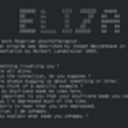 ⭐ FIRST IN THE WORLD · the first learning machine
🤖 North America · 🇺🇸 USA
Rosenblatt’s perceptron; Weizenbaum’s ELIZA ⟶ the learning machine and the first chat program: people attribute to the machine an understanding it does not have.
Sources: Britannica: Eliza · Wikipedia
-
1959–1972
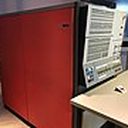
🖥️ 🗂️⚙️ North America · 🇺🇸 USA
The MIS movement, “systems men”, the “total information system” ⟶ the computing centre as the heart of the organisation; most projects fail — an earlier cycle of the “Super-profit” pattern. Flood
Sources: History of Computer Communications 2.21 (MIS) · Wikipedia
-
1959–1970
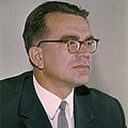
🖥️🌐 🗂️ ☭ Europe · 🇺🇦 Ukraine (Kyiv), 🇷🇺 Russia (USSR ☭)
Kitov’s proposal; Glushkov, OGAS ⟶ USSR: a nationwide automated management system; rejected in 1970. Flood
Sources: Gerovitch, From Newspeak to Cyberspeak (MIT) · Peters, How Not to Network a Nation (MIT) · Wikipedia
-
1971–1987
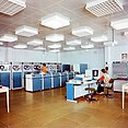 🔵 FIRST IN THE COMPILER’S HOME REGION · the first state classifier here (USSR)
🗂️ ☭ Europe · 🇷🇺 Russia (USSR ☭)
ЕСКК — the all-Union system of classification and coding: ОКОНХ (branches of the economy), ОКП (products), ОКПО (enterprises), СОАТО (administrative divisions); ГОСТ 6.01.1-87 ⟶ a classifier at state level: every factory, product and village gets a code by which the computing centre combines the data. The backbone of the information technology Tiit learned. Flood
Sources: Циклопедия: ЕСКК · Wikipedia
-
1963

🖥️ ⚙️ North America · 🇺🇸 USA
ASCII ⟶ 128 characters, letters with diacritics left out: the problem of the Estonian õ for 60 years.
Sources: Britannica: ASCII · Wikipedia
-
1963–1968
 ⭐ FIRST IN THE WORLD · the first computer mouse
🖥️ 👤 North America · 🇺🇸 USA (Menlo Park)
Engelbart: the mouse (patent US 3,541,541, granted 1970); the “Mother of All Demos” on 09.12.1968 ⟶ the human–machine link gets a physical gadget. Role reversal
Sources: US 3,541,541 (Google Patents) · Wikipedia
-
1969
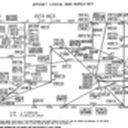 ⭐ FIRST IN THE WORLD · the first packet network
🌐 North America · 🇺🇸 USA
ARPANET: the first packet-switched computer network ⟶ computers talk to each other; Levin’s textbook (?) — not verified.
Sources: Computer History Museum: Internet History 1960s · Wikipedia
-
1970
 ⭐ FIRST IN THE WORLD · the first relational model
🖥️ 🗂️ North America · 🇺🇸 USA (IBM San Jose)
Codd, the relational model ⟶ the classifier takes a mathematical form (table, key). Flood
Sources: Codd 1970 (ACM) · Wikipedia
-
1963–1971
 ⭐ FIRST IN THE WORLD · the first geographic information system
🖥️ 🗂️ North America · 🇨🇦 Canada (Ottawa)
Tomlinson’s CGIS — the first geographic information system (land use inventory) ⟶ the map becomes a database: spatial data is a classifier with coordinates. Flood
Sources: Esri: history of GIS · Wikipedia
-
1971–1972
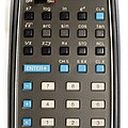 ⭐ FIRST IN THE WORLD · the first microprocessor
🖥️ ⚙️💰 North America · 🇺🇸 USA; Asia · 🇯🇵 Japan (Busicom)
Intel 4004; pocket calculators (Busicom, HP-35) ⟶ calculation becomes many times cheaper. Super-profit
Sources: Computer History Museum: Timeline 1971 · Wikipedia
-
1973
🖥️ ⚙️ North America · 🇺🇸 USA (Minneapolis)
Honeywell v. Sperry Rand: the ENIAC patent is invalidated ⟶ the principle of the computer becomes public property.
Sources: Honeywell v. Sperry Rand (Justia) · Wikipedia
-
1974–1980
 ■ END OF PROCESS · The first AI wave
🤖 North America · 🇺🇸 USA; Europe · 🇬🇧 United Kingdom (Lighthill report 1973)
The first “AI winter”: promises are not kept, the money disappears ⟶ the “Super-profit” pattern in the history of artificial intelligence itself.
Sources: Lighthill report 1973 (Chilton Computing) · Wikipedia
-
1974–1985

👤 🇪🇪☭ North America · 🇺🇸 USA; Europe · 🇬🇧 United Kingdom; USSR ☭; 🇪🇪 Estonia (Võsu)
The calculator dispute in schools (NCTM 1974; Cockcroft 1982; Soviet Elektronika B3) ⟶ “the calculator kills the mind” — Tiit Lepik’s memory of Võsu School (teacher Loemaa). Role reversal according to Tiit Lepik
Sources: Cockcroft report 1982 (educationengland.org.uk) · Wikipedia
-
1970s–80s

👤 🇪🇪☭ Europe · 🇪🇪 Estonia (Tartu, Estonian SSR ☭)
Tartu reception studies: Lauristin’s “little gadgets” measured the curve of interest as words changed ⟶ a forerunner of the click meter in Estonia. Role reversal
Sources: Äripäev radio 19.05.2018 (SoundCloud, in Estonian) · ERR 2018: Lauristin on click media (in Estonian) · Wikipedia (in Estonian)
-
1974 / 1981

🗂️ ☭ Europe · 🇷🇺 Russia (USSR ☭)
ГОСТ 19.428-74 → ГОСТ 19.003-80 (in force from 01.07.1981): flowchart symbols, including “ручной ввод” (manual input) and “дисплей” (display) ⟶ the human–machine link in a standard. Flood
Sources: ГОСТ 19.003-80 · Wikipedia
-
1981 / 1985

🖥️ ☭ Europe · 🇨🇭 Switzerland (Lausanne); Asia · 🇷🇺 Russia (Novosibirsk, USSR ☭)
Ershov in Lausanne: “programming — the second literacy”; compulsory ОИВТ (fundamentals of informatics and computing) in all Soviet schools ⟶ the all-Union background of Tiit’s school years.
Sources: Ershov 1981 (ershov.iis.nsk.su) · Wikipedia
-
1977 / 1986 / 1990
 🔵 FIRST IN THE COMPILER’S HOME REGION · “information technology” for the first time in a standard in force here (USSR)
🗂️ ☭ Europe · 🇷🇺 Russia (USSR ☭)
ОРММ АСУП (1977) — the general methodology for creating management systems; ГОСТ 24.601-86 (ЕСС АСУ, stages of creation); ГОСТ 34.601-90 “Информационная технология. Автоматизированные системы. Стадии создания” (“Information technology. Automated systems. Stages of creation”) ⟶ in 1990 the Soviet standard calls automated management systems by the word “information technology”: stages, terms of reference, commissioning — the rulebook of the computing centre’s work. (To research further: the statutes of computing centres, the full text of ОРММ 1977.) Flood
Sources: ГОСТ 34.601-90 (meganorm) · ГОСТ 24.601-86 (normacs) · Wikipedia
V The personal computer1980 – 1995
From: the computing centre. In this stage: the machine becomes cheaper and reaches the desk, the mouse and the window, schools get computers (Soviet ОИВТ, the Rakvere experimental class, Juku), networks are joined into the internet (TCP/IP), the WWW appears; “the role of machines simply grew”. Leading to: the network, where the source is a link.
-
1981 / 1984 / 1985
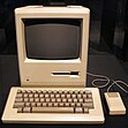
🖥️ ⚙️ North America · 🇺🇸 USA
IBM PC; Macintosh (the mouse for the masses); Windows 1.0 ⟶ “the role of machines simply grew as machines became cheaper” (Tiit Lepik). according to Tiit Lepik
Sources: Computer History Museum: Timeline 1981 · Wikipedia
-
1984 / 1986
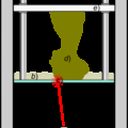 ⭐ FIRST IN THE WORLD · the first 3D printer
🖥️ ⚙️ North America · 🇺🇸 USA (Chuck Hull, 3D Systems)
The stereolithography patent — the first 3D printer ⟶ a data file becomes an object: the carrier works in reverse, from digital to physical.
Sources: 3D Systems: our story · Wikipedia
-
1974 / 01.01.1983
 ⭐ FIRST IN THE WORLD · the first protocol for a network of networks
🌐 North America · 🇺🇸 USA
Cerf and Kahn, TCP/IP; ARPANET switches to TCP/IP ⟶ different networks are joined into one: the internet.
Sources: Internet Society: Brief History of the Internet · Wikipedia
-
1986–1989

🖥️ 🇪🇪☭ Europe · 🇪🇪 Estonia (Rakvere, Estonian SSR ☭)
The experimental mathematics and physics class of Rakvere Secondary School No. 1 (A. Levin), one day a week at the computing centre ⟶ the birthplace of Tiit Lepik’s concept of information technology. according to Tiit Lepik
Sources: lepik.co: Information technology · Wikipedia (in Estonian)
-
1988
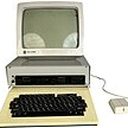 🔵 FIRST IN THE COMPILER’S HOME REGION · the first school computer made here
🖥️ ⚙️ 🇪🇪☭ Europe · 🇪🇪 Estonia (Tallinn, Estonian SSR ☭)
Juku — the Estonian school computer ⟶ a home-grown machine in the classroom.
Sources: University of Tartu computer museum: Juku · Wikipedia (in Estonian)
-
1989–1993
 ⭐ FIRST IN THE WORLD · the first web ■ END OF PROCESS · The monopoly of the paper press
🌐 ✍️🔗 Europe · 🇨🇭 Switzerland (CERN); North America · 🇺🇸 USA (NCSA)
Berners-Lee, the WWW; Mosaic ⟶ the hyperlink: the source trace is inside every page (URL) — and disappears when the link breaks. Loss of trace
Sources: CERN: The birth of the Web · info.cern.ch — the first website · Wikipedia
-
1991

🖥️ ⚙️ North America · 🇺🇸 USA
Unicode 1.0 ⟶ õ = U+00F5: the carrier’s limit on language disappears.
Sources: Unicode Consortium: History · Wikipedia
-
1978 / 1995 / 2005
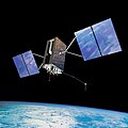 ⭐ FIRST IN THE WORLD · the first satellite positioning
🌐 🗂️ 🇪🇪 North America · 🇺🇸 USA; Europe · 🇪🇪 Estonia (Land Board)
The first GPS satellite (1978), full operational capability (1995); Google Maps (2005); the geoportal of the Estonian Land Board ⟶ everything has a coordinate: spatial data becomes an everyday information flow; Tiit’s “Maa ja majaomaniku abimees” (Land and homeowner’s helper, 2026) builds on this. Flood
Sources: GPS.gov · Estonian Land Board geoportal · Wikipedia
-
26.03.1992 / 1993
 🔵 FIRST IN THE COMPILER’S HOME REGION · the first internet connection here ■ END OF PROCESS · The information flow of the planned economy
🌐 🇪🇪 Europe · 🇪🇪 Estonia (Tallinn); 🇸🇪 Sweden (Stockholm)
Estonia’s first internet connection on 26.03.1992 (Institute of Cybernetics, satellite link Tallinn–Stockholm); EENet 1993 ⟶ Estonia online.
Sources: AM.ee: Estonia got an internet connection on 26.03.1992 (in Estonian) · EENet: development of academic data communication (in Estonian) · Wikipedia
-
1996
 🔵 FIRST IN THE COMPILER’S HOME REGION · the first national schools network programme here
🌐 🇪🇪 Europe · 🇪🇪 Estonia
Tiigrihüpe (Tiger Leap) ⟶ schools online; the name of Tiit Lepik’s 2026 study “Tiigrihüpe – töö allikatega” (Tiger Leap – working with sources) refers to this.
Sources: HARNO technology compass: Tiger Leap (in Estonian) · Wikipedia (in Estonian)
VI The network, software, platforms1995 – 2020
From: the single computer. In this stage: search and the advertising model, social media (everyone is an author, editor, publisher), click media; the machine wins at chess and in image recognition; the skill of the tool moves a generation down and the authority of the source flattens; the source is not remembered. Leading to: the language model, which synthesises an answer without a source.
-
1997
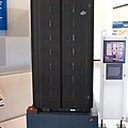
🤖 North America · 🇺🇸 USA (New York)
IBM Deep Blue defeats Kasparov ⟶ a machine beats a human at a game that was considered the yardstick of the mind.
Sources: IBM: Deep Blue · Wikipedia
-
1998 / 2000
 ▶ START OF PROCESS · The attention economy
🌐 🔗💰 North America · 🇺🇸 USA
Google (PageRank); AdWords ⟶ the classifier on the network and the sale of attention (Simon 1971 → Wu 2016). Super-profit Loss of trace
Sources: Brin & Page 1998 (Stanford) · Wikipedia
-
2002 (spring)

👤 Europe · 🇬🇧 United Kingdom (Box, Wiltshire)
Villu Veski at Real World Studios: a million-pound mixing desk, a laptop on top, 15-year-old “Paul” the only one who knows the software ⟶ “the parents ask the children”. Role reversal according to Tiit Lepik
Sources: Real World Studios · Wikipedia
-
2004 / 2006 / 2007

🌐 ✍️ North America · 🇺🇸 USA
Facebook; Twitter; iPhone ⟶ “everyone is their own author, editor and publisher” (Lauristin 2018).
Sources: ERR 2018: Lauristin on click media (in Estonian) · Edasi.org: Lauristin on editorial work (in Estonian) · Wikipedia
-
2004–2013

-
2008

🌐 🔗 North America · 🇺🇸 USA
Carr, “Is Google Making Us Stupid?”; Nakamoto, Bitcoin (the blockchain) ⟶ the “allergy”, and a new meaning for the word “block chain”. Loss of trace
Sources: The Atlantic 2008: Carr · Bitcoin whitepaper · Wikipedia
-
2012
 ⭐ FIRST IN THE WORLD · the first deep learning breakthrough
🤖 North America · 🇨🇦 Canada (Toronto)
AlexNet (Krizhevsky, Sutskever, Hinton) wins ImageNet ⟶ deep learning: the machine recognises images better than earlier methods; the start of today’s wave.
Sources: AlexNet 2012 (NeurIPS) · Wikipedia
-
2016–2017

🌐 🔗 North America · 🇺🇸 USA
Pew: the source was remembered in 56% of cases; Sean Parker on 08.11.2017 on the “dopamine hit” ⟶ the loss of the source trace is measured. Loss of trace
Sources: Pew 2017 · Axios 2017: Sean Parker · Wikipedia
-
19.05.2018

🔗 🇪🇪 Europe · 🇪🇪 Estonia (Tallinn)
Marju Lauristin on Äripäev radio: click media = “sending an impulse into a frog’s brain with an electrode”; “I clicked it open and don’t remember where from” ⟶ the 2018 wording of thesis 3. Loss of trace
Sources: Äripäev radio 19.05.2018 (SoundCloud, in Estonian) · ERR 2018: Lauristin on click media (in Estonian) · Edasi.org: Lauristin on editorial work (in Estonian) · Wikipedia (in Estonian)
-
2017–2018

| 🇪🇪 Europe · 🇪🇪 Estonia (Tartu, Emajõgi)
The Est-For pulp mill: stakeholders were skipped, the press in a PR role ⟶ skipping the information flow in an organisation (Lauristin 2018).
Sources: Äripäev radio 19.05.2018 (SoundCloud, in Estonian) · Wikipedia (in Estonian)
-
2025.11
✍️ 🇪🇪 Europe · 🇪🇪 Estonia (Kiiu)
Tiit Lepik’s Smaily newsletter “Abiks kübermaailmas” (Help in the cyber world) ⟶ Tiit Lepik’s own attempt to keep the source trace. according to Tiit Lepik
Sources: Post “Abiks kübermaailmas” · Wikipedia
VII Language models and agents2020 –
From: the network and platforms. In this stage: the carrier leap (LLM) has happened, the classifier leap is still ahead; the money is under water on the market; the source trace disappears even before the reader; the human–machine link (interrupt) is design question no. 1; official connectors appear that bring back the price and trace of the source. Leading to: open — this work folder is inside this stage.
-
2017 / 30.11.2022
 ⭐ FIRST IN THE WORLD · the first transformer model
🤖 ⚙️ North America · 🇺🇸 USA (Google; OpenAI, San Francisco)
“Attention Is All You Need” (the transformer); ChatGPT ⟶ the carrier leap: the answer is synthesised without a source.
Sources: Vaswani et al. 2017 (arXiv) · OpenAI: Introducing ChatGPT · Wikipedia
-
2023–2025
🤖 💰 North America · 🇺🇸 USA
ChatGPT Plus at $20 (price locked); OpenAI 2025: $13.07 bn revenue / $38.5 bn loss; ARR ~$122 bn vs capex ~$725 bn ⟶ the “Super-profit” pattern: the super-profit phase, the money is under water on the market (Tiit Lepik’s study 02.09.2026). Super-profit according to Tiit Lepik
Sources: Sacra: OpenAI · Epoch AI: AI companies revenue · Yahoo Finance: OpenAI losing money · Wikipedia
-
10.2025 – 07.2026

🤖🌐 🔗💰 🇪🇪 North America · 🇺🇸 USA; Europe · 🇪🇪 Estonia (Scoro, Pipedrive)
Wiley AI Gateway; Scoro MCP; Thomson Reuters CoCounsel; Pipedrive MCP; Octus; Cloudflare Pay Per Crawl ⟶ the official connector inside the subscription: the price and trace of the source come back (thesis 3). Super-profit Loss of trace
Sources: Model Context Protocol · Cloudflare: Pay Per Crawl · Wikipedia
-
07.05.2026
🤖 ✍️ 🇪🇪 Europe · 🇪🇪 Estonia (Kiiu)
Tiit Lepik’s Abimees (Helper): “Meaning versus text” (Underwood) ⟶ the machine does not understand what it types. according to Tiit Lepik
Sources: Abimees Tiit (Ghost, in Estonian) · Wikipedia
-
06.2026

✍️ 🇪🇪 Europe · 🇪🇪 Estonia (Kiiu; Lahemaa)
The Smaily newsletters “Financial Times Eesti moodi” (Financial Times the Estonian way) and “Lenini dekreet 1921 / Lahemaa 55” (Lenin’s decree 1921 / Lahemaa 55) ⟶ Tiit Lepik’s practice of the source chain. according to Tiit Lepik
Sources: Post “Financial Times Eesti moodi” · Post “Lahemaa Rahvuspark 55” · Wikipedia (in Estonian)
-
02.09.2026

🤖 💰 🇪🇪 Europe · 🇪🇪 Estonia (Kiiu)
Tiit Lepik’s study of the profitability of AI development ⟶ the original source of thesis 2. Super-profit according to Tiit Lepik
Sources: Sacra: Anthropic · TechCrunch 08.2026: Anthropic ARR · Wikipedia
-
08.09.2026
🤖 👤 🇪🇪 Europe · 🇪🇪 Estonia (Kiiu; Sten Suuroja)
A test page of Sten’s manuscript: the language model reads typewritten text from an image and tends to “correct” it (õ instead of ó) ⟶ diplomatic vs normalised text. Role reversal according to Tiit Lepik
Sources: Britannica: OCR · Wikipedia
-
04.–13.09.2026

🔗💰 🇪🇪 Europe · 🇪🇪 Estonia (Kiiu; Apollo)
An order from Apollo; Marek Tamm’s “Keskaja Liivimaa allikad” (Sources of medieval Livonia) arrives ⟶ a paper book: the trace and the price are in order, but it cannot enter the workflow — the idea of personal connectors. Super-profit Loss of trace according to Tiit Lepik
Sources: Apollo · Wikipedia (in Estonian)
-
15.09.2026

🤖🌐 🔗 🇪🇪🇪🇺 Europe · 🇪🇪 Estonia; 🇪🇺 European Union (Directive 2019/790)
robots.txt: Postimees and Ekspress Meedia block AI robots; Äripäev uses Content Signals + Directive 2019/790 Art. 4; ERR blocks only GPTBot ⟶ Estonia is in the phase of “taking the money out”. Loss of trace according to Tiit Lepik
Sources: postimees.ee/robots.txt · aripaev.ee/robots.txt · err.ee/robots.txt · Directive (EU) 2019/790 Art. 4 · Wikipedia
-
18.09.2026

🤖 👤 🇪🇪 Europe · 🇪🇪 Estonia (Facebook)
A Facebook thread (Aivo Vaske, “A practical question”): NERVIQON = the computing centre scheme in its 2026 form; “the fault is not in the technology but in the person asking” ⟶ the first wording of thesis 1. Role reversal according to Tiit Lepik
Sources: Wikipedia
-
2024–2026
🤖 👤 North America · 🇺🇸 USA (LangChain)
LangGraph “interrupt”, human-in-the-loop ⟶ the ГОСТ’s “ручной ввод” (manual input) in its 2026 form: where the machine must stop and ask a human. Role reversal
Sources: LangGraph: interrupts · Wikipedia
-
19.–20.09.2026

Not verified
The years of antiquity and the Middle Ages (Wikipedia level); the year of the first Estonian computers; Levin’s textbook of 1969; the Est-For dates. Every entry was checked against the Wikipedia summary on 20.09.2026; additional sources are public links (Britannica, Computer History Museum, DIGAR, ERR and others) whose existence was checked on 20.09.2026.
The timeline was compiled by Claude (an AI tool) under the guidance of Tiit Lepik, 19–20.09.2026. Draft — version 6, awaiting approval. Source document: Google Doc (in Estonian). The English version is a machine translation made with Claude (Anthropic).